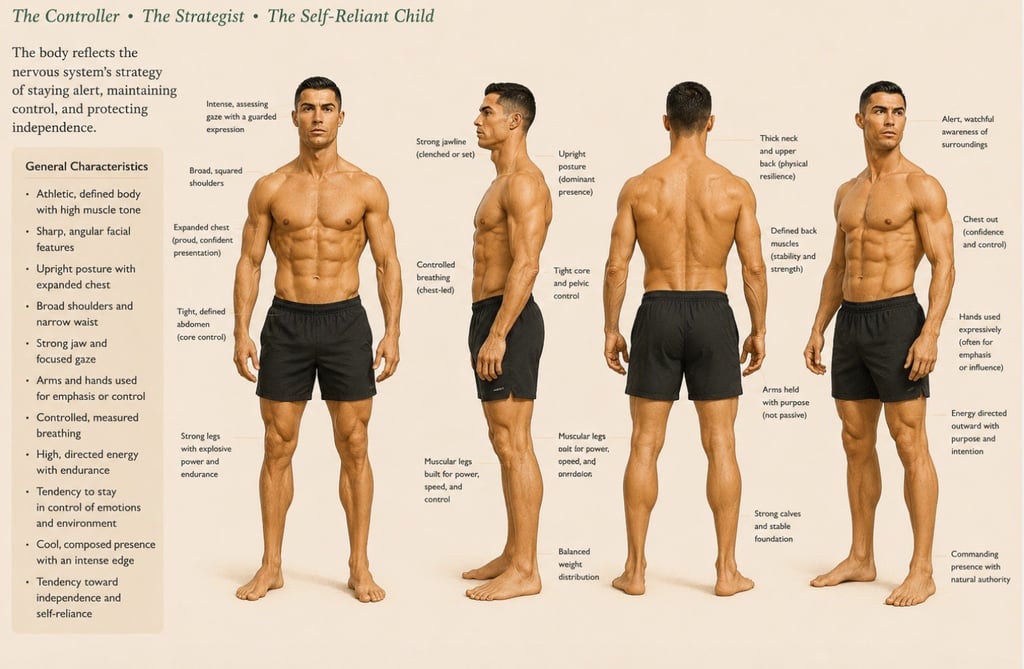
The Controller • The Strategist • The Self-Reliant Child
The Psychopathic character structure often develops when a child experiences betrayal, manipulation, inconsistency, humiliation, or a lack of trust in important relationships.
A child may learn that vulnerability feels unsafe and that relying on others can lead to disappointment, control, or emotional injury.
Over time, the nervous system may learn to stay alert, maintain control, influence situations, and protect itself through strength, independence, or strategic thinking.
Rather than openly expressing deeper needs, fear, sadness, or dependency, energy may become directed toward managing appearances, staying in charge, or avoiding vulnerability.
This pattern is not a flaw or diagnosis. It is a survival adaptation that once helped create safety, dignity, autonomy, and protection within the child's environment.
Most people carry a blend of character structures, though one pattern may feel more dominant.
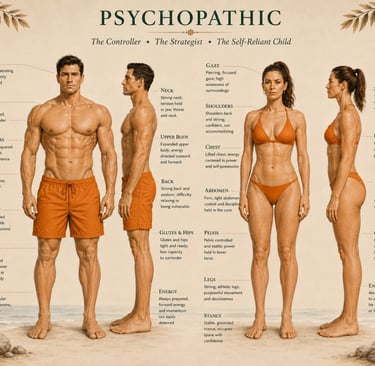
Psychopatic
Core Emotional Experience
People with this pattern may experience:
• Difficulty trusting others or relying on support
• Fear of vulnerability, weakness, or being controlled
• Strong need to stay in control of situations and relationships
• Sensitivity to betrayal, deception, or broken trust
• Tendency to hide dependency needs behind strength or competence
• Challenges surrendering, receiving, or asking for help
Some people describe feeling:
• “I have to stay in control”
• “If I let my guard down, I'll get hurt”
• “I can only rely on myself”
• “I must stay strong and capable”
• “People will take advantage of me if I'm vulnerable”
• “I always need to be one step ahead”
• “I don't want anyone to see my weakness”
• “I have to win, lead, or stay in charge”


How This May Show Up in Adult Life
Relationships
You may notice:
difficulty trusting others or relying on support
taking the lead or needing to stay in control
testing people before fully opening up
attracting power struggles or competitive dynamics
valuing strength, competence, and independence
avoiding situations that feel vulnerable or dependent
At the same time, many people with this pattern deeply value loyalty, integrity, protection, and personal sovereignty.
Emotional Patterns
Common tendencies may include:
Fear of vulnerability or being controlled
Difficulty expressing softer emotions such as sadness or need
Strong drive for achievement, success, or influence
Hypervigilance and scanning for potential threats
Defensiveness when feeling criticised or challenged
Feelings of isolation despite appearing confident or self-sufficient
Some people fluctuate between:
control and vulnerability
confidence and hidden insecurity
independence and a longing for support
leadership and loneliness
self-protection and the desire for intimacy
power and fear of betrayal
Work & Daily Life
You may notice:
strong leadership and initiative
willingness to take responsibility and influence outcomes
strategic thinking and goal orientation
difficulty delegating or trusting others to take charge
preference for autonomy and decision-making authority
high standards for performance and competence
frustration when feeling restricted, dependent, or powerless
Many people with this pattern are ambitious, capable, resilient, visionary, and highly effective at organizing, leading, and creating change. When balanced, they can use their strength to empower others while remaining connected to their own vulnerability and humanity.
Common Strengths & Gifts
People with this pattern are often:Courage and determination
Natural leadership
Strong personal boundaries
Vision and strategic thinking
Ability to protect and advocate for others
Authentic confidence rooted in trust rather than control
Capacity for intimacy while maintaining personal power
Most people carry a blend of character structures, though one pattern may feel more dominant.
Challenges That May Arise
Without support and healing, this pattern may contribute to:
excessive need for control or dominance
difficulty trusting others or receiving support
fear of vulnerability or emotional dependence
defensiveness when challenged or criticised
power struggles in relationships or workplaces
manipulation, intimidation, or controlling behaviours
chronic hypervigilance and inability to relax
loneliness hidden beneath confidence or success
difficulty expressing genuine emotional needs
fear of betrayal, failure, or loss of status
Many people become highly focused on maintaining strength, control, and self-sufficiency because vulnerability, dependency, or trusting others once felt unsafe, disappointing, or likely to result in hurt, betrayal, or loss of power.

Body & Nervous System Patterns
Breathing & Energy
You may notice:
chest-centered or controlled breathing
tension in the jaw, neck, chest, or diaphragm
holding the breath when feeling challenged or vulnerable
directing energy outward through action, achievement, or influence
difficulty relaxing control and fully surrendering
Many people with this pattern spend significant energy maintaining control, managing appearances, staying alert, and protecting themselves from vulnerability or disappointment.
Facial Expression & Eyes
You may notice:
intense, focused, or assessing eyes
a confident or commanding facial expression
alertness and awareness of the environment
emotional sensitivity concealed behind strength
difficulty revealing softer feelings or dependency needs
The eyes often reflect determination, intelligence, and vigilance while carefully guarding vulnerability and emotional exposure.
Posture & Movement
The body may appear:
upright, expanded, and well-organized
lifted through the chest and upper body
strong through the shoulders, back, and neck
confident, purposeful, and controlled in movement
powerful and expressive rather than yielding or receptive
Some people may appear highly confident and self-assured externally while internally carrying fears of betrayal, weakness, or loss of control.
Grounding & the Lower Body
You may notice:
strong energetic charge in the legs
athletic or well-developed lower-body structure
tension held in the pelvis or hips
readiness for action and forward movement
difficulty fully letting go despite appearing grounded
Some people describe feeling powerful and capable on the outside, yet continually driven to stay vigilant, maintain control, or prove their strength and independence.
Character structures are reflected not only emotionally, but also through the body and nervous system.
The body may learn to protect itself through tension, withdrawal, freezing, or reduced energetic expression.
Not every person will have all of these traits.

Healing is not about changing who you are.
It is about helping the body and nervous system experience greater trust, authenticity, emotional connection, and freedom from the need to control or protect at all times.
Healing may involve:
learning to trust yourself and others appropriately
expressing vulnerability without feeling weak
softening chronic control and hypervigilance
developing healthy, collaborative relationships
receiving support without losing your sense of autonomy
exploring feelings beneath strength, confidence, or achievement
releasing fear of betrayal, failure, or powerlessness
balancing personal power with emotional openness
allowing intimacy without sacrificing boundaries
cultivating authentic confidence rooted in self-acceptance
The goal is not to become "less strong" or "less powerful," but to experience strength that includes vulnerability, connection, trust, and the full expression of your humanity.
Healing & Integration
In Core Energetics Sessions
Sessions may include:grounding practices
breathwork
body awareness
exploring healthy expressions of power and assertion
movement and embodiment
releasing chronic tension and control patterns
boundary work
voice work
exploring fears of vulnerability, trust, and betrayal
learning to receive support while maintaining autonomy
The work is always approached with respect for the body's protective adaptations, developmental history, and natural pace. As trust develops, strength and vulnerability can begin to coexist more naturally.


Important Note
Character structures are not psychiatric diagnoses.
These patterns are best understood as adaptive survival responses that develop through early relational and nervous system experiences.
Most people carry a blend of character structures, and these descriptions are intended for self-awareness and healing — not as labels or limitations.
Lilian V. (Brazil)
Grace has really helped me overcome some past issues I had been keeping under a lid for a long time. Now, I feel happier and more confident in my life. I also feel that my speed was respected.
Márcia M. (Brazil)
Coming from an Evangelist family, I had doubts this kind of therapy could help me, I was relieved to see that my own faith was brought in, and I could start building my identity on a solid base.
Happy clients
TESTIMONIALS


Have any questions?
If you have any questions about the therapies, feel free to contact us.
Tools for wellbeing
BLOG
Clinic
Broadway
Perth, WA 6009
Contacts
info@homeofcoreenergetics.com
+61 0432 442 371
Grace Mulberry, Body Psychotherapist


Acknowledge the Traditional Custodians of the land on which we work and live, and recognise their continuing connection to land, water and community. We pay respect to Elders past, present and emerging.


Aknowledgement to Country