
What is Characterology?
In Reichian and Core Energetics work, “character” does not mean personality in a superficial sense. It refers to deeply rooted survival patterns that develop in the body, nervous system, emotions, and relationships over time.
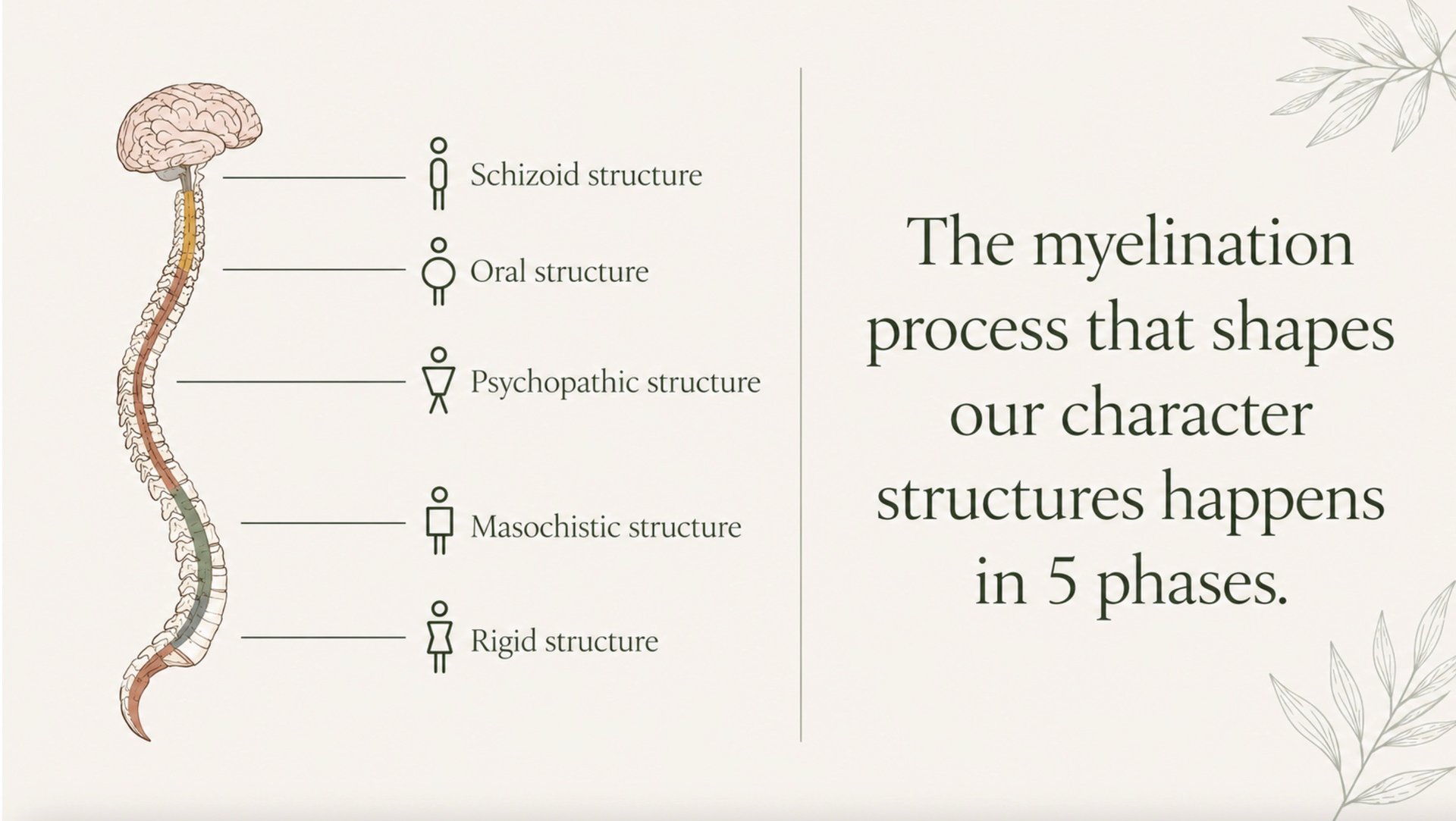
These protective patterns were once intelligent adaptations. What helped us survive early in life, however, may later limit our ability to feel fully alive, connected, expressive, grounded, or emotionally free.
The body often tells this story through chronic tension, breathing restrictions, emotional holding, posture, muscular armouring, and energetic contraction.
Characterology helps bring awareness to these patterns with compassion rather than judgement, creating opportunities for greater self-understanding, emotional regulation, authenticity, and connection. Through this awareness, people can begin reconnecting with parts of themselves that may have been hidden, protected, or disconnected over time.


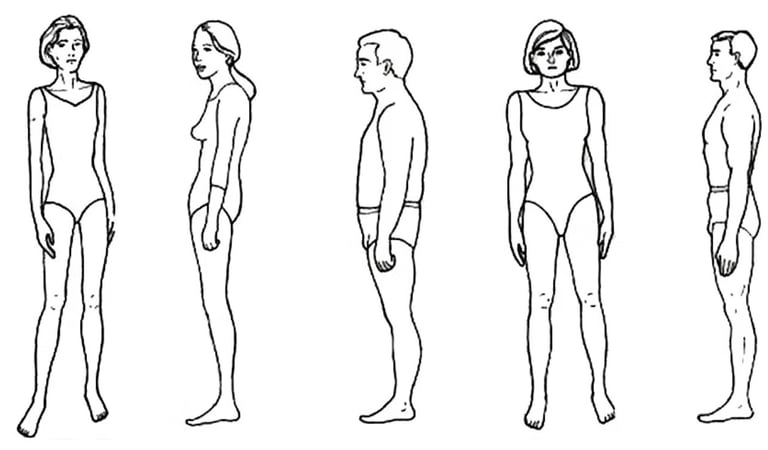
Characterology is a body-based understanding of how human beings adapt emotionally and physically to life experiences, especially during childhood.
Who was Wilhelm Reich?
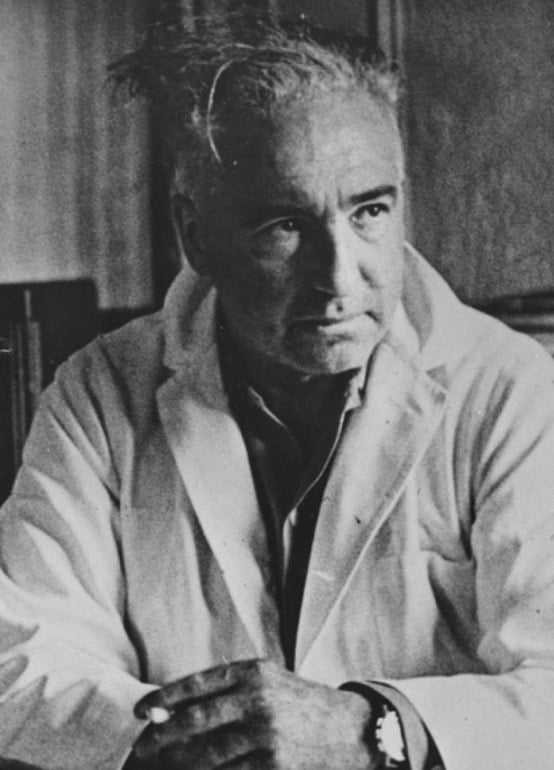
A visionary far ahead of his time, Wilhelm Reich challenged conventional thinking and pioneered groundbreaking ideas about the connection between the body, emotions, trauma, and human wellbeing.
Wilhelm Reich was an Austrian psychiatrist, psychoanalyst, and student of Sigmund Freud whose work helped lay the foundations for body-oriented psychotherapy. He was one of the first clinicians to recognise the deep connection between emotional experiences, personality patterns, and the physical body.
Reich observed that unresolved emotions, trauma, and chronic stress were not only held psychologically, but also stored within the body through muscular tension, breathing restrictions, and habitual patterns he called “character armour.” He believed these protective patterns often develop during childhood as ways to cope, survive, and adapt to life experiences.
His work explored how emotional expression, breath, movement, and body awareness could support healing, vitality, and greater emotional freedom. Reich’s ideas later influenced many forms of somatic therapy, body psychotherapy, trauma-informed approaches, and the development of Core Energetics.
Today, his legacy continues through therapeutic approaches that recognise the body and mind as deeply interconnected, supporting people toward greater self-awareness, emotional regulation, authenticity, and connection.
The Body Remembers
Emotional experiences are not held only in the mind. The body also adapts in order to survive stress, fear, emotional pain, trauma, and unmet needs.
Over time, these adaptations may shape breathing patterns, posture, muscular tension, emotional expression, and the nervous system itself.
These protective patterns are not signs that something is wrong with you.
They are intelligent adaptations developed over time in response to life experiences, relationships, stress, and survival.
Healing begins not by fighting the body, but by learning to listen to it safely and compassionately.
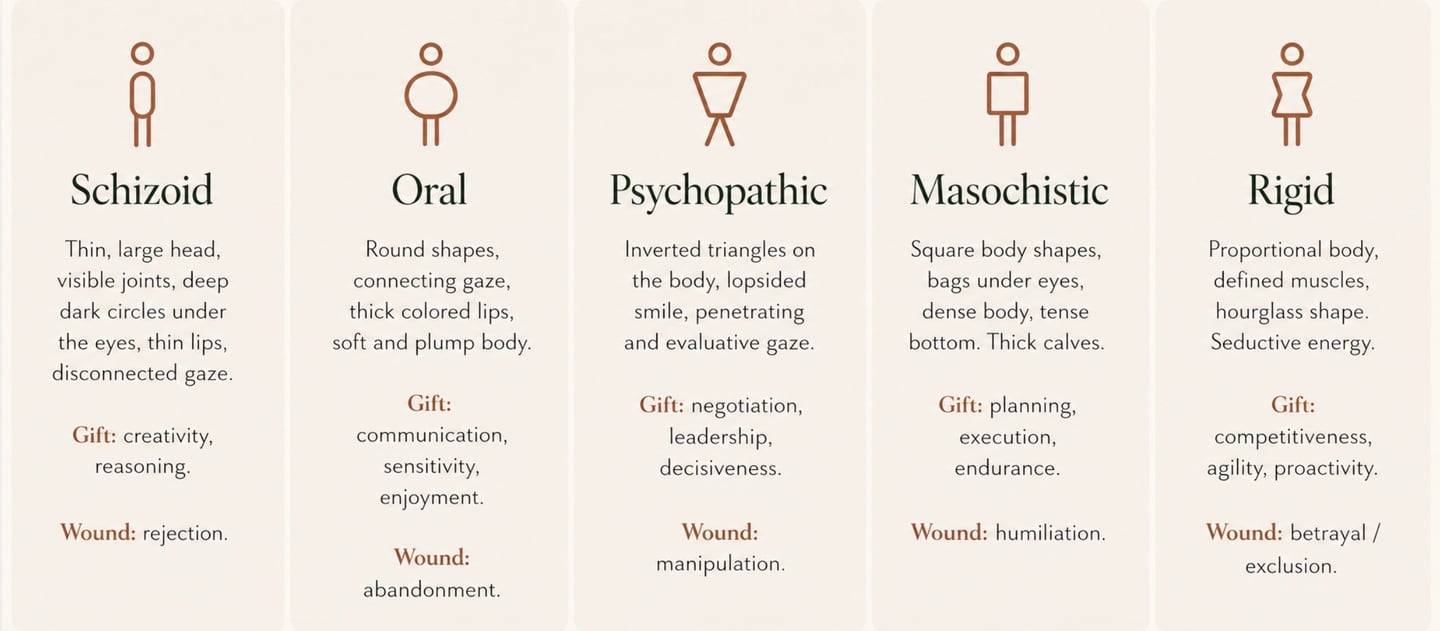

Explore the characterologies
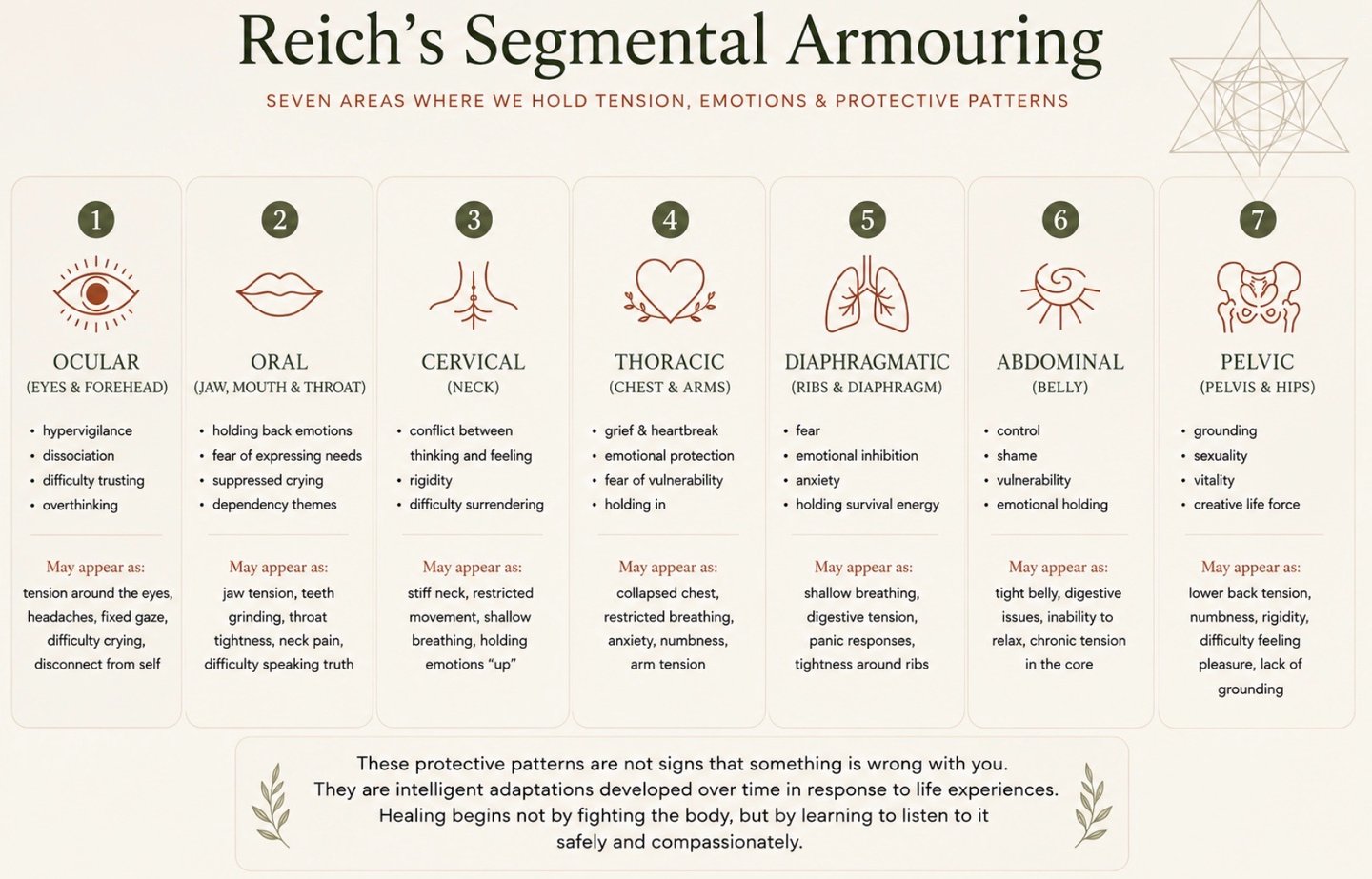
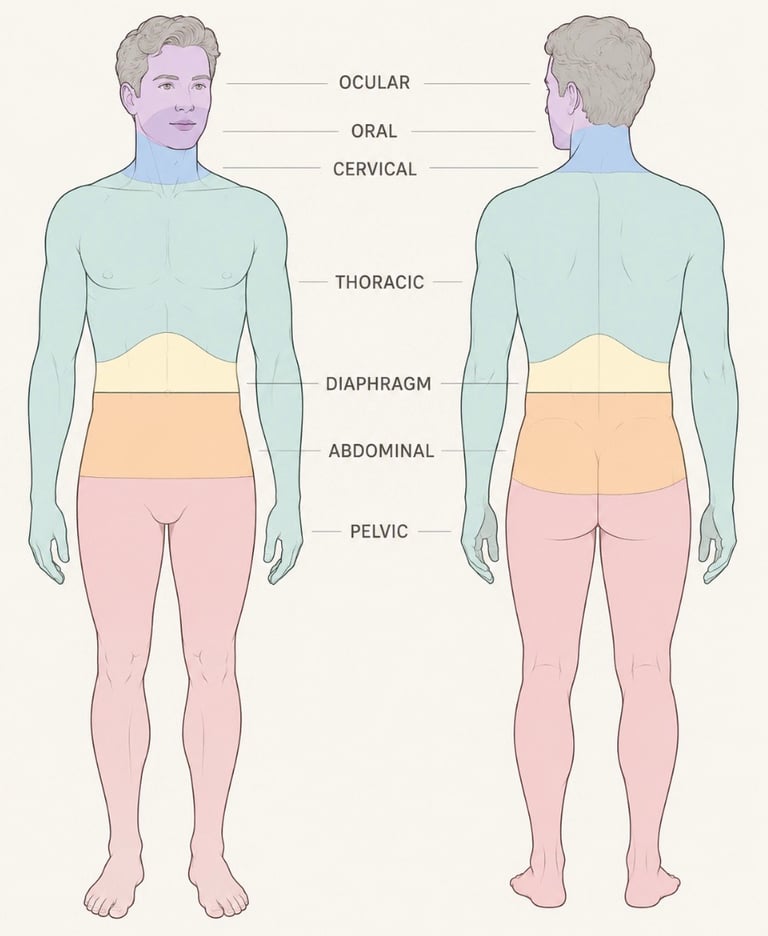
Reich’s Segmental Armouring
Wilhelm Reich observed that emotional experiences are not held only in the mind, they are also stored within the body.
Over time, stress, trauma, emotional suppression, fear, and unmet needs may create chronic patterns of muscular tension and energetic holding, known as “armouring.”
These protective patterns can affect breathing, posture, emotional expression, relationships, vitality, and the ability to feel fully connected to oneself.
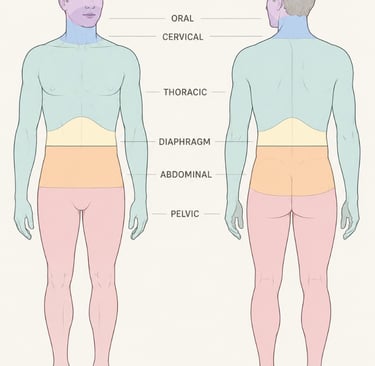
Reich identified seven primary segments in the body where these tensions commonly develop.
He observed that armouring often forms in horizontal “bands” throughout the body, gradually limiting the natural flow of energy, emotion, movement, breath, and expression. What begins as a protective survival response may eventually become a chronic state of contraction within the nervous system and body.
According to Reichian and Core Energetics understanding, as these areas gradually soften and become more conscious through therapeutic work, people may experience greater emotional freedom, deeper breathing, increased vitality, improved self-awareness, stronger boundaries, authenticity, and a greater capacity for connection, pleasure, grounding, and aliveness.
Frequently asked questions
How many sessions will I need?
It depends on what you’re working through. Some people come for short-term support, others for deeper ongoing work.
Do you offer online sessions?
Yes, sessions are available online and in person.
Is this just talking, or something different?
We do talk—but we also work with the body, awareness, and nervous system regulation. It’s a more integrated approach.
Do I need to be in crisis to start?
Not at all. Many people come before things reach that point.
Lilian V. (Brazil)
Grace has really helped me overcome some past issues I had been keeping under a lid for a long time. Now, I feel happier and more confident in my life. I also feel that my speed was respected.
Márcia M. (Brazil)
Coming from an Evangelist family, I had doubts this kind of therapy could help me, I was relieved to see that my own faith was brought in, and I could start building my identity on a solid base.
Happy clients
TESTIMONIALS


Have any questions?
If you have any questions about the therapies, feel free to contact us.
Tools for wellbeing
BLOG
Clinic
Broadway
Perth, WA 6009
Contacts
info@homeofcoreenergetics.com
+61 0432 442 371
Grace Mulberry, Body Psychotherapist

Acknowledge the Traditional Custodians of the land on which we work and live, and recognise their continuing connection to land, water and community. We pay respect to Elders past, present and emerging.


Aknowledgement to Country